
- What Sets This Book Apart?
- A Quick Look at the Book’s Structure
- 1. How People See
- 2. How People Read
- 3. How People Remember
- 4. How People Think
- 5. How People Focus Their Attention
- 6. What Motivates People
- 7. People Are Social Animals
- 8. How People Feel
- 9. People Make Mistakes
- 10. How People Decide
- Our Verdict
- What We Liked
- What to Keep in Mind
- Who Should Read It
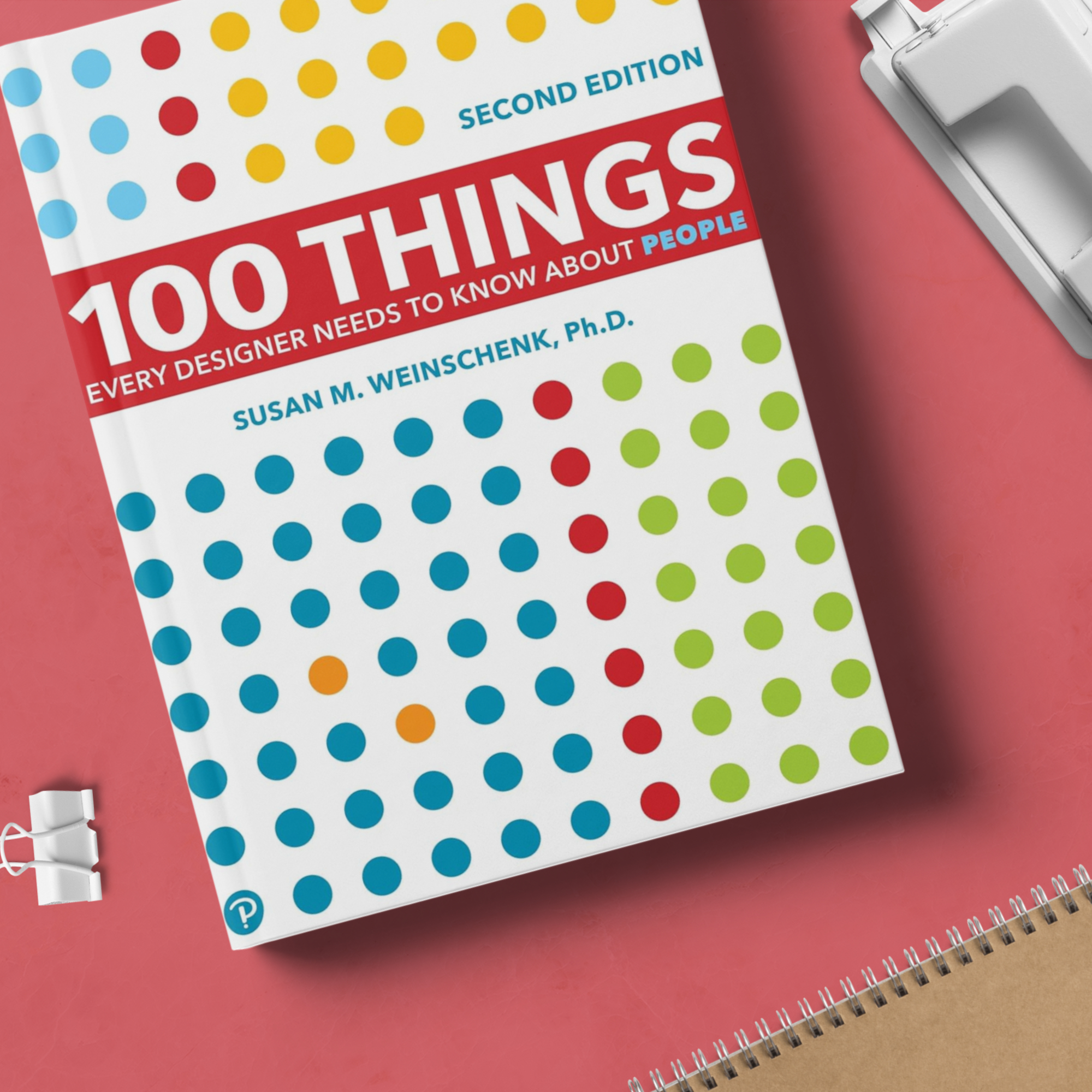
The most impactful designs increasingly hinge on an in-depth understanding of the psychology underpinning user behavior. 100 Things Every Designer Needs to Know About People (Voices That Matter) by Susan Weinschenk deftly bridges this gap, offering an evidence-based framework for creating intuitive, user-centric experiences. Drawing from her extensive background in behavioral psychology, Weinschenk provides a research-driven perspective that links theoretical insights directly to practical design strategies—making the reading experience both enlightening and immediately applicable.
What Sets This Book Apart?
This resource distinguishes itself by combining psychological principles with concrete design advice in a way that is both accessible and ready for real-world implementation. Weinschenk condenses complex concepts into concise, actionable insights that you can integrate into your process right away, whether you’re designing from scratch or refining a long-standing product. By focusing on the cognitive and emotional factors that influence user decisions, the book highlights how thoughtful, empathetic design can truly elevate user engagement and satisfaction.
A Quick Look at the Book’s Structure
Weinschenk organizes her core insights into chapters that each tackle a fundamental aspect of how people perceive, process, and interact with the world around them. While the book contains 100 concise lessons, those lessons are grouped into major themes that serve as a roadmap for understanding human behavior in a design context.
1. How People See
This opening section highlights the basics of visual perception. It covers how users interpret shapes, contrasts, and patterns, while also examining the importance of elements like peripheral vision and color hierarchies. By understanding these principles, designers can direct attention more effectively and prioritize the visual elements that matter most.
2. How People Read
Typography, text layout, and the difference between screen and paper reading are the focus here. Weinschenk breaks down the cognitive process behind reading, helping designers make more informed decisions on font choices, spacing, and content placement so that text is easy to scan and comprehend.
3. How People Remember
In this chapter, Weinschenk explores the limitations of memory—how people encode, store, and retrieve information. She suggests using techniques like chunking, repetition, and strategic reinforcement to ensure users retain key information. Designing with memory in mind helps keep interfaces simple and less prone to user confusion.
4. How People Think
Delving into cognitive biases, mental models, and decision-making, this section sheds light on why users approach tasks in certain ways—and how you can align your design with existing mental frameworks. Minimizing cognitive load by respecting common patterns can greatly reduce frustration and enhance user satisfaction.
5. How People Focus Their Attention
Attention is a finite resource, and interfaces are competing for it constantly. Weinschenk discusses selective attention, the allure of novelty, and ways to avoid overwhelming users. She provides actionable tips on where to position key elements and how to employ visual cues to keep users engaged without causing cognitive overload.
6. What Motivates People
Here, Weinschenk covers intrinsic versus extrinsic motivators, delving into how rewards, incentives, and social validation can encourage user actions. Recognizing these drivers helps designers create experiences that align with user goals—whether that’s shopping, signing up, or simply spending more time on a platform.
7. People Are Social Animals
Humans thrive on connection, and this chapter explains how group dynamics, social proof, and community features influence online behavior. Weinschenk also highlights how testimonials, user-generated content, and feedback loops can build trust, increase engagement, and spur positive interactions.
8. How People Feel
Humans interpret symbols, stories, and metaphors to make sense of the world. Weinschenk delves into storytelling elements and consistent themes, advising designers to integrate these tactics for richer, more meaningful user experiences. This emotional layer can transform an ordinary interface into a memorable journey.
9. People Make Mistakes
Everyone makes errors, and good design anticipates them. By explaining why mistakes happen, Weinschenk underscores the importance of “forgiving” interfaces—where it’s easy to undo actions or be guided back on track. This approach not only reduces user frustration but also builds confidence and loyalty.
10. How People Decide
In the final chapter, Weinschenk explores how much of human behavior is governed by unconscious processes—like priming, framing, and implicit biases. By catering to these subtle drivers, designers can craft intuitive experiences that feel almost effortless, improving both usability and user satisfaction.
Our Verdict
Weinschenk’s writing style is both approachable and backed by scientific research, making 100 Things Every Designer Needs to Know About People an excellent resource for beginners and seasoned pros alike. Whether you’re designing a complex mobile app or a simple website, the psychological underpinnings laid out in this book will help you create more user-centric and genuinely engaging experiences.
What We Liked
- Bite-sized lessons: each of the 100 points takes a few pages, so it works as a book you dip into rather than read cover to cover.
- Research behind the advice: most points explain the study or finding they come from, which helps you justify design decisions to your team.
- Useful beyond screens: the lessons on memory, attention and motivation apply to any product or content.
What to Keep in Mind
- Light on depth: short entries mean some findings are simplified, so treat them as starting points.
- Psychology moves on: a few classic studies in the field have since been debated, so test the ideas with your own users.
Who Should Read It
Overall, this is a must-read if you aim to design with empathy, clarity, and effectiveness in mind. It suits designers early in their career and anyone who needs research to back up design choices. For a shorter, more visual take on the same psychology, see Laws of UX. To put the ideas into practice in product design, read our review of Hooked.

Related articles
21 Oct 2026
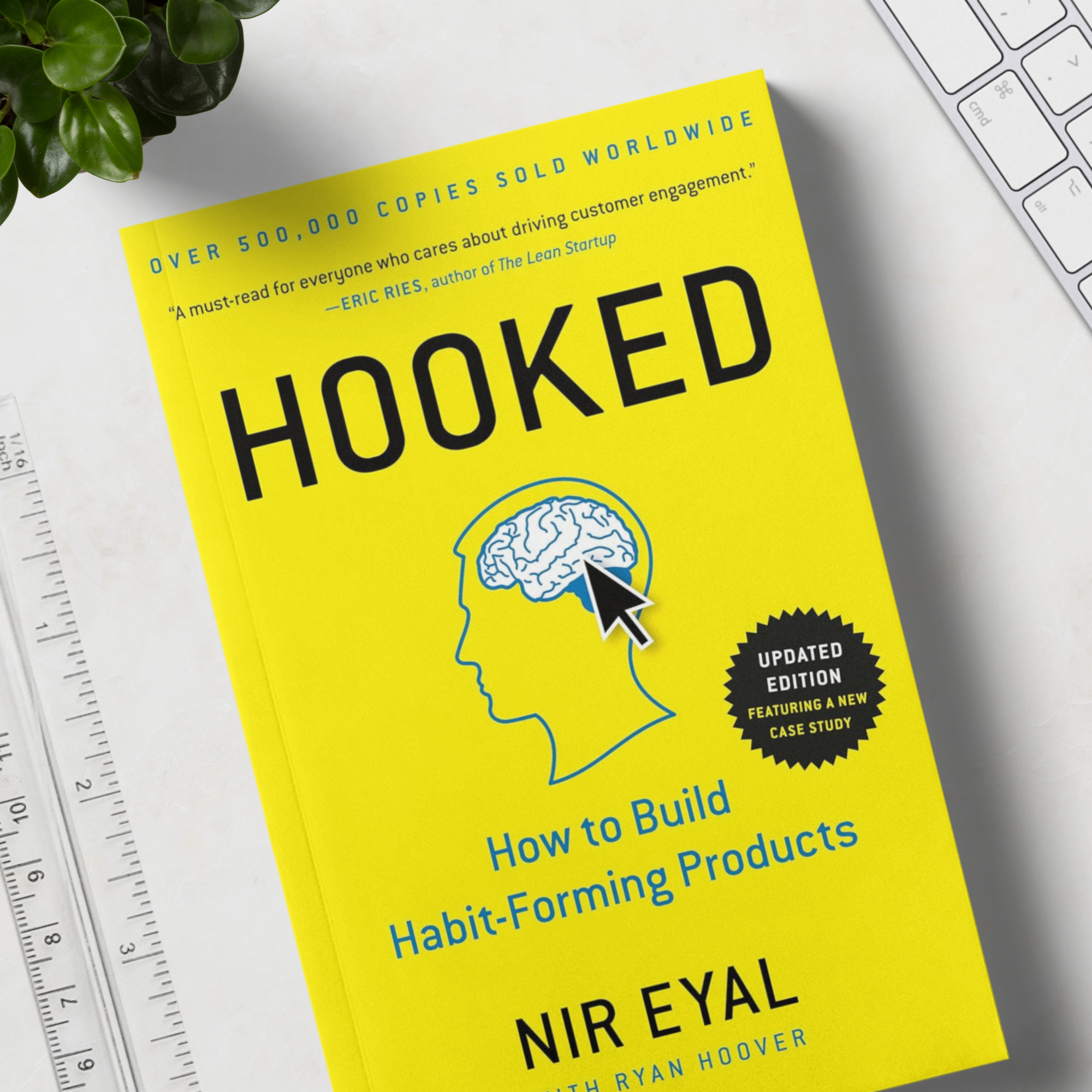
Review of Hooked: How to Build Habit-Forming Products by Nir Eyal
Our review of Hooked by Nir Eyal: the Hook Model explained chapter by chapter, its ethical side, and who shoul... Read more

21 Oct 2026
Review of 101 UX Principles - Second Edition: Actionable Solutions for Product Design Success by Will Grant
Our review of 101 UX Principles, Second Edition by Will Grant: what sets it apart, a chapter-by-chapter overvi... Read more

21 Oct 2026
What qualifications do you need to be a UX Designer?
What qualifications do you need to be a UX designer? Degrees that help, the skills employers look for, and how... Read more