

- What Sets This Book Apart?
- A Quick Look at the Book’s Structure
- 1. UX Field
- 2. Typography
- 3. Controls
- 4. Content
- 5. Navigation
- 6. Iconography
- 7. Input
- 8. Forms
- 9. User Data
- 10. Progress
- 11. Accessible Design
- 12. Journeys and State
- 13. Terminology
- 14. Expectations
- 15. UX Philosophy
- Our Verdict
- What We Liked
- What to Keep in Mind
- Who Should Read It
Success often hinges on having an arsenal of proven, actionable insights. 101 UX Principles - Second Edition by Will Grant delivers just that—a curated collection of user experience best practices, each distilled into practical guidance you can immediately apply to your projects. The second edition features updated examples and refined principles, making it an excellent companion for both newcomers and seasoned UX professionals.
What Sets This Book Apart?
101 UX Principles - Second Edition excels by distilling a wide range of UX best practices into concise, actionable guidelines. Grant’s style is direct and accessible, making complex concepts feel digestible for readers at any level. Whether you’re building a new product from scratch or refining an existing one, you’ll likely find a principle (or several) that instantly resonates with your specific design dilemma.
The second edition’s updates and fresh examples keep the content timely. While the fundamentals remain strong, Grant acknowledges evolving UX challenges—like emerging device types and privacy considerations—ensuring the book stays relevant in a quickly shifting industry.
A Quick Look at the Book’s Structure
Grant organizes his insights into 15 chapters, each addressing a key area of user experience. While the book’s title promises 101 principles, these concepts are thematically grouped to help designers quickly locate the guidance most relevant to their current challenges. Below is a summary of each chapter, highlighting the main takeaways.
1. UX Field
Grant starts by outlining the foundational elements of UX—its scope, impact, and the evolving role of UX professionals. This chapter underscores how critical empathy and user-centered thinking are, while also demystifying the range of responsibilities that fall under the UX umbrella.
2. Typography
Typography can make or break a digital experience, and Grant uses this chapter to dive into choosing the right font families, managing line spacing, and ensuring readability across devices. The guidance focuses on striking a balance between visual appeal and practical legibility.
3. Controls
From buttons to toggles and dropdowns, controls are where users interact with your product. Grant emphasizes selecting intuitive controls that align with existing platform conventions. Expect valuable do’s and don’ts that will keep your interfaces consistent, discoverable, and user-friendly.
4. Content
The fourth chapter delves into crafting clear, concise, and helpful content. Grant illustrates how plain language and consistent voice can reduce user confusion. He also touches on how microcopy—such as tooltips or error messages—plays an underrated role in shaping the user experience.
5. Navigation
Streamlined navigation is crucial for any product with depth or complexity. Grant covers structuring menus, using recognizable labels, and organizing content hierarchies so users know exactly where they stand and how to move forward.
6. Iconography
Icons often communicate faster than words—if they’re used correctly. This chapter discusses creating or selecting icons that are universally understood. Grant also covers the pitfalls of overly stylized icons and underscores the importance of including textual labels when needed.
7. Input
Data entry is a common source of friction in digital products, and Grant dedicates this chapter to exploring ways to reduce that friction. He covers everything from default values to automated suggestions, helping designers create more seamless user input experiences.
8. Forms
While forms are technically a subset of input, they’re significant enough to warrant their own chapter. Grant examines how to structure forms for clarity, minimize user effort, and validate data in a way that’s helpful, not frustrating. He provides practical guidelines on fields, labels, and error-handling.
9. User Data
Collecting and handling user data responsibly is an essential part of modern UX. Grant addresses best practices around data privacy, consent, and secure storage. Designers will find tips on presenting data usage policies transparently while also leveraging analytics to improve the user journey.
10. Progress
People like knowing where they are in a process—and how far they have to go. This chapter focuses on progress indicators and user feedback loops. Grant’s advice helps prevent user drop-off by ensuring that each step in a journey is clear and that success feels within reach.
11. Accessible Design
Accessibility is a cornerstone of inclusive UX. Grant demonstrates how to apply the WCAG (Web Content Accessibility Guidelines) standards and stresses designing for users of all abilities. From color contrast to screen reader compatibility, this chapter offers vital, actionable steps.
12. Journeys and State
Many modern products involve multi-step flows and changing states. Grant explains how to clarify these transitions, maintain context, and guide users effortlessly through complex processes or multi-session journeys. This includes best practices for persistent and ephemeral states.
13. Terminology
Confusing jargon can derail even the most polished design. This chapter highlights how to choose consistent, user-friendly language that aligns with user expectations. Grant’s emphasis on plain language is a throughline, reinforcing that clarity should always be a priority.
14. Expectations
Users bring preconceived notions to every product interaction. Grant explores how to leverage or reset these expectations so your app or website feels intuitive from the outset. Touchpoints range from visual cues to interaction patterns, all working together to create trust.
15. UX Philosophy
The book concludes by zooming out on the broader mindset behind UX. Grant underscores the importance of continual iteration, user feedback, and fostering cross-team collaboration. He leaves readers with a holistic perspective on how these 101 principles fit into a lifelong commitment to great design.
Our Verdict
For UX designers, product managers, and anyone seeking practical ways to enhance digital experiences, 101 UX Principles - Second Edition is a must-have reference. Will Grant’s emphasis on actionable solutions strikes the perfect balance between theory and execution, making it easy to pick up the book, apply a principle, and see tangible improvements in your product.
What We Liked
- Short, self-contained principles you can read in a few minutes and apply the same day.
- Clear, opinionated advice instead of vague theory: each principle tells you what to do.
- Broad coverage, from typography and forms to accessibility and user data.
What to Keep in Mind
- Breadth over depth: each topic gets a few pages, so it won’t replace a dedicated book on research or accessibility.
- Opinionated by design: some rules are Grant’s preferences, so test them with your own users rather than applying them blindly.
Who Should Read It
It suits beginners who want a practical checklist and experienced designers who want a quick reference to settle design debates. If you prefer the research behind the rules, pair it with Laws of UX or our review of 100 Things Every Designer Needs to Know About People. Looking for the classic on simple, usable interfaces? Try Don’t Make Me Think, Revisited.

Related articles
21 Oct 2026
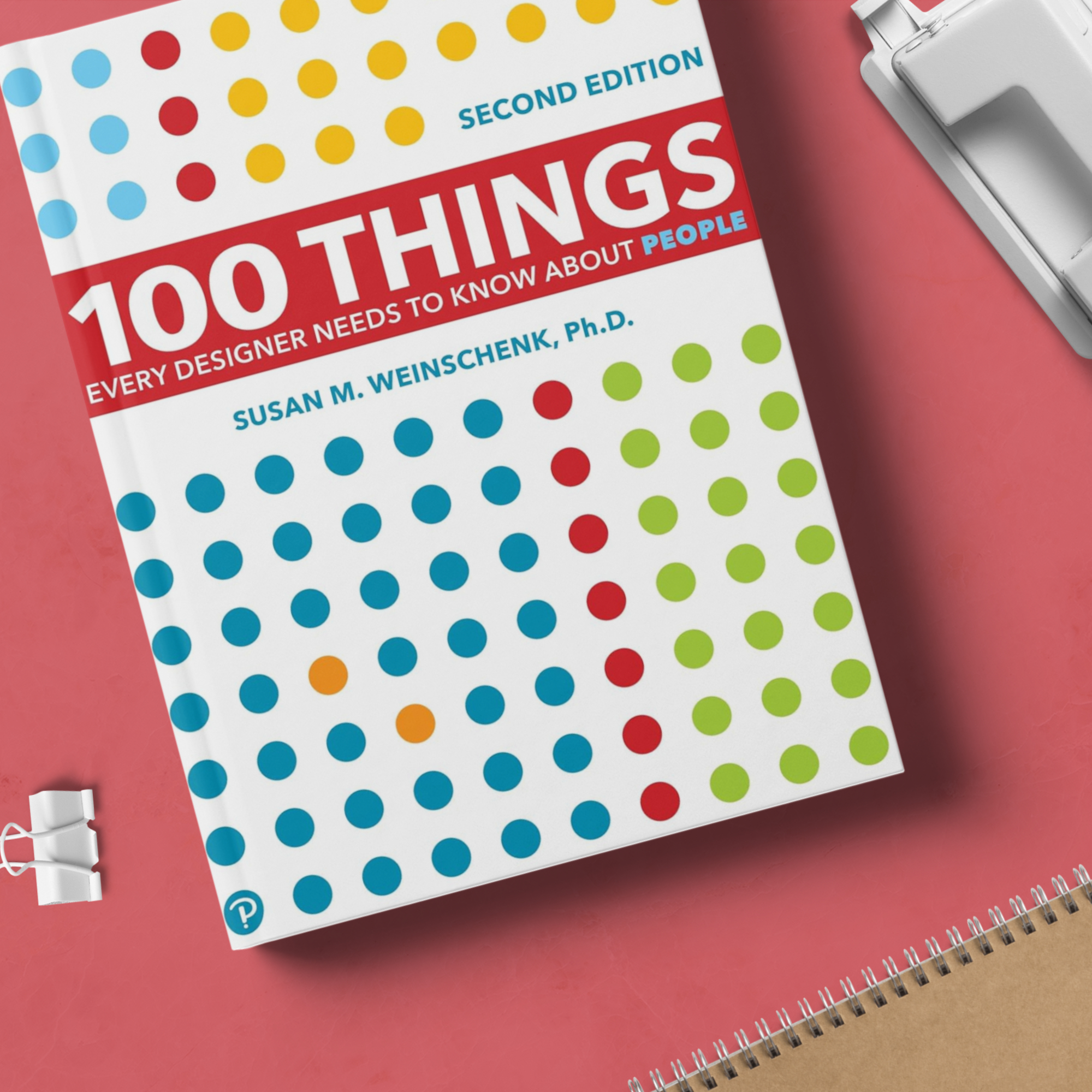
Review of 100 Things Every Designer Needs to Know About People by Susan Weinschenk
Our review of Susan Weinschenk's 100 Things Every Designer Needs to Know About People: the psychology behind g... Read more

21 Oct 2026
10 Common Mistakes UX Designers Make (and How to Avoid Them!)
From skipping user research to never iterating after launch: 10 common UX design mistakes, why they happen and... Read more

21 Oct 2026
10 Essential UI/UX Design tips to make your app a user favorite
10 Essential UI/UX Design tips to make your app user-friendly and engaging. Improve navigation, consistency, a... Read more